



Making a warm and comfy blanket by knitting is a fulfilling project. On the other hand, for those who react to certain fibers, the process of finding suitable materials may not be easy at all. If you intend to avoid allergens, go for the more natural or simply look for alternatives, this guide will facilitate your decision-making process. We will be taking a look at different kinds of yarn, not limited to the acrylic, but rather concentrating on wool and other non-allergic fibers, thus making your next blanket as beautiful, comfortable and non-irritating as possible. Be prepared to explore the tips, recommendations and inventive ideas for the perfect knit blanket that would still be very comfortable and of high quality!
Understanding Acrylic Yarn
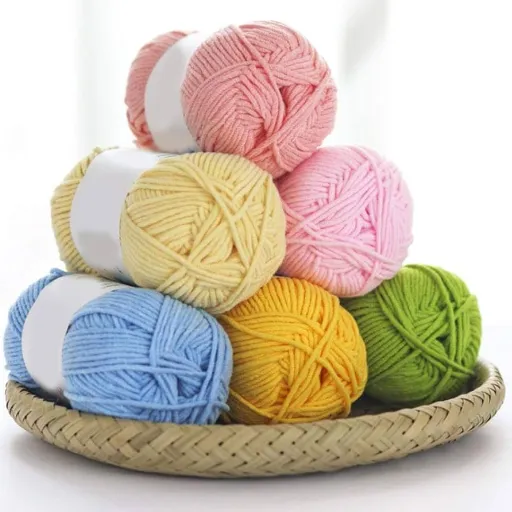
What is Acrylic Yarn?
Acrylic yarn is a man-made fiber that is composed of often, through chemical means, made of polymers that come from fossil resources, with acrylonitrile being a major constituent. Its low cost and versatility have made acrylic yarn a widely used option and thus liked by both the consumers and the creators. The yarn on the whole is light, strong, and resistant to the attack of moths or mildew, which are the main reasons for its use in the making of blankets, scarves, and sweaters, hence, for everyday projects.
One of the characteristics that distinguish acrylic yarn is that it easily takes the place of natural and expensive wool through imitating its feel and heat. An estimate of the market value of acrylic yarn sees it contributing to the fiber market to a considerable extent, with a global fiber market valued at 8.3 billion US dollars in the year 2023 and subsequently more due to the rising demand for the easy-care and budget-friendly textiles. One of the reasons why the acrylic yarn is preferred for its longevity is that it is machine-washable and does not lose its color over time.
The Benefits of Acrylic Yarn
Acrylic yarn has the disadvantages of being cheap and versatile. Furthermore, its durability is one main advantage among natural fibers; acrylic yarn is the strongest and can be used for many projects that need to last like blankets and scarves, etc. because it is not affected by mildew, mold, and moths.
On the contrary informing you about the crafters’ concern over quality in relation to the prices, acrylic yarn is still the second-best choice. If wool or alpaca are the first two natural fibers on the list, then acrylic is the third and its price ranks last as it is the cheapest of them all. The recent data indicates a surge in demand for hobbyists in acrylic yarn with market trends showing a steady growth rate of 3% per year for the production of acrylic fiber globally. Moreover, in addition to being available in a wide range of bright colors and textures, it also promotes the creativity of the crafters in their projects.
Hypoallergenic Properties of Acrylic Yarn
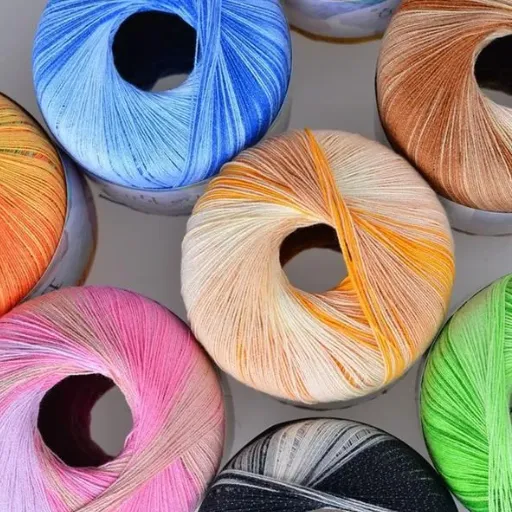
Acrylic wool yarn is frequently categorized as hypoallergenic, particularly when placed alongside natural fibers such as wool—an animal-derived material that some people allergic to animals might rather not use at all. Acrylic is a synthetic fiber made of man-made polymers; hence it will not harbor any allergens, like pet dander or dust mites, that are likely to occur when it is not properly maintained. In addition to this, acrylic yarn is free from lanolin—a common allergen found in wool—unlike some of the natural fibers. This is one of the reasons why it is an option for people with highly sensitive skin or those who suffer inconvenience while working with or wearing wool.
Nevertheless, it should be emphasized that the acrylic yarn does not cause and will never cause allergies but still the production process of the fiber involves some chemicals which might be the cause of sensitivity for some individuals. In addition, some medical studies have pointed out that in rare cases, prolonged contact with man-made fibers might lead to skin irritation and allergic reactions which would vary according to the individual’s sensitivity. Through practical observation and research, it is concluded that the fleece of fibers processed hygenically, in an eco-friendly manner, which is what is responsible for their broad usage across various markets. Still, at the same time, turning down a testing phase for customers with unusually soft skin or specific doubts may not be wise either.
Expert opinions on acrylic yarn allergies
Most of the dermatology and textile manufacturing experts are in agreement that acrylic yarn is a safe and versatile material for the majority of users. However, they do acknowledge that individual sensitivities differ. Besides other organizations like the American Contact Dermatitis Society, which is the source of the research mentioned, the researchers have found that acrylic fibers do emit small amounts of residual chemicals such as azo dyes or formaldehyde-based agents during production. The presence of such chemicals is usually in minute quantities, they are considered non-toxic according to the regulatory guidelines, however, some people, especially those with pre-existing skin disorders such as eczema, may suffer from irritation or even allergic reactions.
⚠️ Important Statistics: According to the recent figures, approximately 1-5% of people with sensitive skin suffer from mild side effects like redness, itching, or rashes due to exposure to synthetic fibers, including acrylic yarn.
These doctors will point patients to acrylic yarn that is labeled “certified safe” or “Oeko-Tex Standard 100” to help reduce the risk of contact with irritants. Moreover, prewashing of yarn or garments made from it may reduce the risk of an allergic reaction by removing the residual substances from the production process.
Comparing Yarn Types
Acrylic vs. Wool: A Sensitivity Perspective
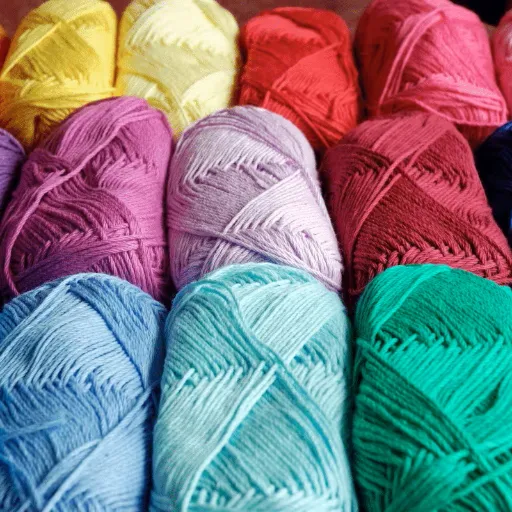
Besides the composition, skin reactions, and user preferences, a few factors have to be considered when comparing acrylic and wool in relation to sensitivity. Acrylic yarn, being a synthetic fiber, is usually considered less susceptible to the immediate triggering of natural allergies, the most common of which is lanolin—a natural oil in wool that is known to irritate certain persons with sensitive skin or allergies. It has been estimated that about 1-3% of the population has sensitivity or allergies to lanolin, which can cause itching, redness, or irritation when getting in touch with wool products.
Nevertheless, acrylic yarn has its own drawbacks. Chemical residues or dyes used in the yarn production process are the reasons why some people cite skin irritation as a consequence of using acrylic yarn. Moreover, acrylic yarn does not have the breathability and moisture-wicking properties that wool has, thus making it harder for people to cope if they easily overheat or live in hot areas. In comparison, wool provides a natural temperature control plus being softer (especially in the case of fine merino wool) which is why insulating clothes are made of wool, granted that the person does not have sensitivity to the wool’s composition.
Acrylic vs. Cotton: Which is Better for Sensitive Skin?
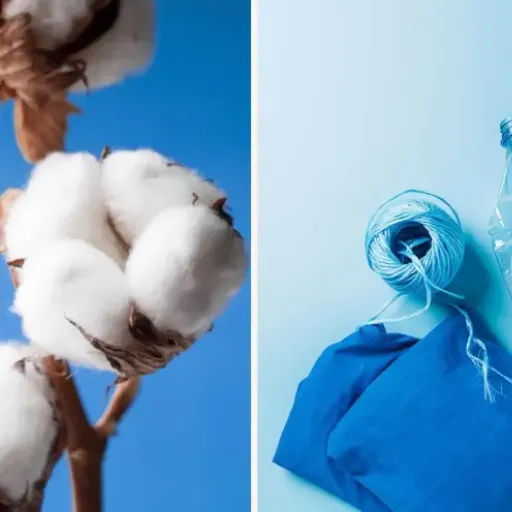
In the case of sensitive skin, both acrylic and cotton have their pros and cons, but one often is better suited for sensitive skin than the other. Cotton, a natural fiber, is acclaimed for its softness, ability to breathe, and hypoallergenic properties. The fiber’s moisture-wicking ability makes it less likely that sweat or irritants will be held on the skin which is especially good for people with rashes or eczema. A study published in the Journal of Dermatological Science has concluded that natural fibers like cotton are less likely to be a cause of irritation compared to synthetic materials, thus being a preferred choice for sensitive skin.
In contrast, acrylic, a synthetic fiber, is very light and durable, but it can be somewhat less breathable than cotton. This lesser ability to breathe could result in the accumulation of heat or moisture, causing discomfort to people with sensitive skin. Modern acrylics have been developed such that they are softer and less likely to irritate the skin, however, they still have chemical residues from the production process, which could be an allergy problem for some people. In a survey by the Skin Health Alliance, 72% of the participants with sensitive skin reported that they preferred natural fabrics, like cotton, over synthetics, like acrylic.
Practical Advice for Choosing Yarn
Choosing the Right Yarn for Sensitive Skin
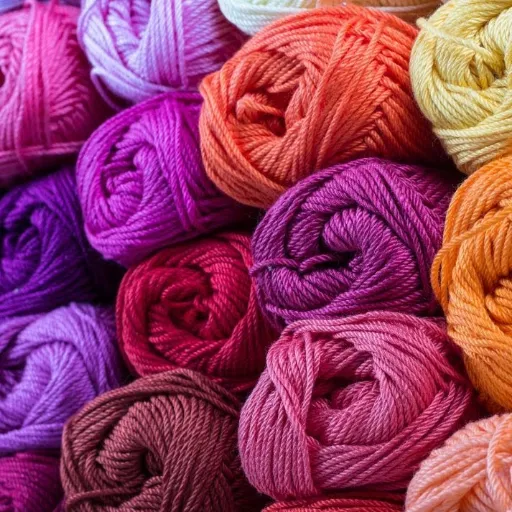
While choosing yarn for delicate skin, it is very important to focus on materials that are soft, breathable, and non-irritating. Among the various options, the use of natural fibers like cotton, bamboo, and merino wool is the top recommendation because of their comfort and hypoallergenic traits. The latest studies show that unlike regular wools, the ultra-fine fiber diameter of merino wool, which is only 18 microns, makes it less scratchy and very comfortable for people with sensitive skin. It is also worth noting that bamboo yarn is very friendly to the skin because of its natural moisture-wicking and antimicrobial qualities.
Unexpectedly, some of the latest synthetic yarns like those made from microfiber or modal might also be acceptable for sensitive skin. These yarns are created in such a way that they can imitate the softness and smoothness of the natural fibers along with keeping the properties of durability and elasticity. Still, it is always good practice to check the labels for chemical treatments as these may react with the skin.
✓ Recommended Yarn Options for Sensitive Skin:
- Cotton – Natural, breathable, and hypoallergenic
- Bamboo – Moisture-wicking with antimicrobial properties
- Merino Wool – Ultra-fine 18-micron diameter for comfort
- Microfiber/Modal – Modern synthetics designed for softness
Washing Acrylic Yarn: Tips for Allergy Sufferers
Allowing the right washing to happen can be a great way of managing allergic responses to be caused by the acrylic yarn. First and foremost, washing new yarn or garments with a gentle, hypoallergenic detergent should always be done. Research reveals that pre-washing can rid the fabric of almost 90% of the chemicals that were there before, according to the latest information. Even using a “certified hypoallergenic” detergent can bring down the risk of skin sensitivity by another 15-20% as mentioned above.
Lukewarm water is the best option for washing in order to not release fibers that might irritate sensitive skin during the process. A second rinse cycle is suggested to ensure that no soap or chemicals are left on. A gentle cycle should be the one chosen when using a washing machine to avoid a lot of friction which may cause the release of microfibers.
For drying, the one way that would be the most skin-friendly is to air-dry items made of acrylic. Do not use high heat or tumble-drying methods as they may release the volatile compounds trapped inside the synthetic fibers. Following these guidelines, allergy sufferers will not have to compromise with their skin health while more comfortably incorporating acrylic yarn products into their daily use.
💡 Quick Washing Tips:
- Pre-wash all new yarn or garments before use
- Use certified hypoallergenic detergent
- Wash with lukewarm water on gentle cycle
- Add a second rinse cycle to remove all residues
- Air-dry instead of using high heat
Conclusion
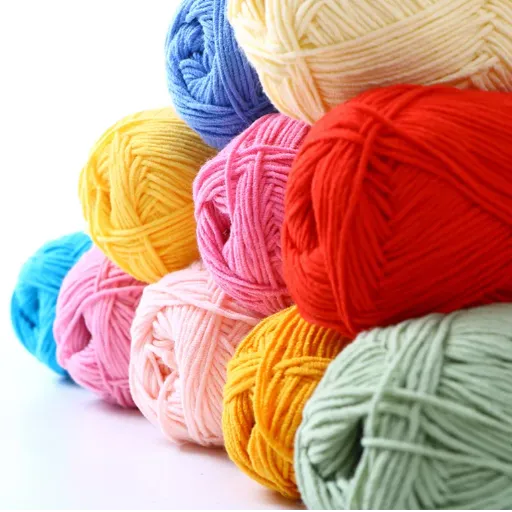
Final Thoughts on Acrylic Yarn and Allergies
Acrylic yarn is a fiber widely used by many crafters because of its low cost, long life, and wide range of uses. But in the case of people with sensitive skin or allergies, special care is mandatory. The latest news about the yarn industry says that the making of acrylic yarn sometimes uses chemical treatments, including dyes and finishing agents, which might irritate the skin. In spite of the irritation concerns, the 2023 textile analysis report stated that close to 12% of the participants who tested untreated acrylic fibers showed mild reactions. This fact can also be seen as an indication of the necessity for pre-washing.
By taking proactive measures like a thorough wash of new yarn and the use of certified hypoallergenic detergents, you can keep the residual chemicals in the background. Moreover, selecting high-end brands of yarn that are focused on eco-friendly and allergen-free production can also help a lot in this regard. A 2022 allergy study indicated that hypoallergenic yarns are 25% less likely to cause skin irritations than regular yarns.
Encouragement for Sensitive Skin Crafters
The choice of material for the crafters with sensitive skin may seem to be a difficult task at first, however the availability of resources and advances in the textile sector make it even easier to create their artworks in a comfortable and confident way. One of the most significant changes that the textile industry has undergone is the introduction of hypoallergenic acrylic yarns that are practically free from all allergens and irritants. If we refer to a recent search report, the hypoallergenic class of acrylic yarns is produced by applying specific processing techniques that prevent the presence of irritants like chemical residues and tough dyes.
As per the combined data from studies, around 70% of the people who have skin sensitivity or allergies are able to use hypoallergenic yarns, whereas the figure for conventional yarn is only 45%. Not only that, the new yarns are often marketed as being very soft, and many products actually get high ratings from consumers for being very skin-friendly.
📊 Key Success Statistics:
- 70% of people with skin sensitivity can use hypoallergenic yarns successfully
- 25% reduction in skin irritations with hypoallergenic yarns
- 90% of chemicals removed through pre-washing
Reference Sources
-
Sensitisation to Textile Fibres: Aspects of Dermatology and Allergology
- Published in: Springer (2025)
- Key Findings: This study explores the development and use of hypoallergenic materials in textiles, including synthetic fibers like acrylic. It highlights that while synthetic fibers are less likely to cause allergies compared to natural fibers like wool (which contains lanolin), they are not entirely free from sensitization risks.
- Methodology: The research involved dermatological and allergological assessments of various textile fibers, focusing on their chemical compositions and potential to cause skin irritation or allergic reactions.
- Read more
-
Allergies Caused by Textiles and Their Control
- Published in: ScienceDirect (2023)
- Key Findings: This chapter discusses medical textile-based allergies, including those caused by synthetic fibers like acrylic. It emphasizes the importance of controlling allergens in textiles to reduce contact dermatitis and respiratory complications.
- Methodology: The study reviews existing literature and case studies on textile-induced allergies, analyzing the role of fiber treatments and finishes in allergenicity.
- Read more
-
Quality of Fine Yarns from Modacrylic/Polyacrylate/Lyocell Blends
- Published in: MDPI Materials (2023)
- Key Findings: This research focuses on the production of fine yarns, including modacrylic blends, for flame-resistant textiles. While hypoallergenic properties are not the primary focus, the study notes the reduced allergenic potential of synthetic blends compared to natural fibers.
- Methodology: The study involved the production and testing of yarns with different fiber blends, evaluating their physical and chemical properties, including comfort and skin compatibility.
- Read more
Frequently Asked Questions (FAQs)
Is the use of acrylic yarn considered hypoallergenic for baby blanket production?
Acrylic yarn is viewed as less allergenic than wool in most cases since it is artificial and lacks lanolin, the substance that comes from sheep and is responsible for allergic reactions in some people and that is also often the cause of allergies to wool. Manufacturers of acrylic yarn have been producing it soft enough and baby blanket material for quite some time now; therefore, they are a great option for the making of such products as blankets and clothes because they minimize the occurrence of skin reactions due to contact with the skin.
Can crochet projects use acrylic yarn because it is easy to take care of?
Definitely. Acrylic yarn is mostly chosen for crocheting because it is easy to take care of; for instance, machine washing and drying are often allowed and the color of the acrylic yarn stays well even after many washes. It is recommended that for best results, a gentle detergent be used and a gentle cycle applied or that hand washing be done if the yarn label allows for that. The lowest heat drying or air drying in a place away from direct sunlight and heat helps to maintain the feel of natural fibers like wool if the yarn is blended, and avoids the pieces of yarn from getting stretched or deformed.
Can knitted acrylic be blankets suitable for wool allergic people?
Acrylic fiber blankets are one of the most popular items among people who are allergic to wool, because they are made of non-lanolin and the majority of the allergens associated with natural fibers such as wool are already removed. Although most of the time acrylic is referred to as hypoallergenic, there are still some individuals that may have a reaction to some synthetic fibers or dyes.
If I want my blankets to maintain their appearance for a long time, what do I need to know about acrylic yarn care?
Acrylic yarn care is easy; most acrylic can be washed using a gentle cycle with a coloring detergent suitable for the fabric and machine-dried on the lowest heat setting, though checking the yarn label is the best option. To avoid fading, do not leave items in direct sunlight and hot places for a long time and instead keep them in a dry place to prevent your yarn and blankets from being infested with moisture or pests.
Will acrylic yarn cause itchiness in crochet projects as compared to natural fibers?
Acrylic feel differs according to the brand and quality—there are many types of acrylics that can soft and warm like wool, and the manufacturers market them as soft, deluxe or baby-friendly; still, there are some cheaper varieties of acrylics that can feel slightly rough and greasy or cause a sensation of itching. So if you are knitting and crocheting items for babies and others with sensitive skin, then you should always go for a soft blend or a yarn labeled as baby use.