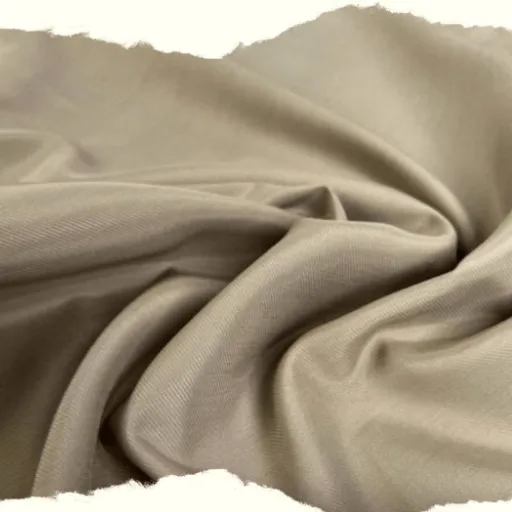


Viscose is a very adaptable and widely appreciated fabric that merges the refinement of natural fibers with the utility of synthetic ones. Its luxurious feel, excellent gas exchange, and low price are some of the factors that have contributed to the popularity of viscose in the textile, upholstery, and home décor industries. But it is still a material with its own distinct advantages and disadvantages that need to be weighed. Thus, the present guide is equally useful for fashion lovers, environment-conscious people, or merely fabric aficionados. It will let you know how visi-coated offers its unique benefits, possible drawbacks, and different areas where such fabric can be used. You will learn about the advantages of this fabric that has endured through the ages and how it could be a part of your lifestyle or business in terms of needs.
Introduction to Viscose Fabric
Viscose Overview and Its Roots
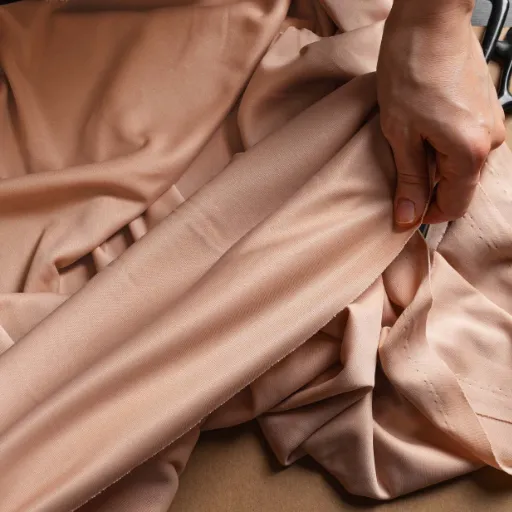
Viscose is a semi-synthetic fiber that gets its primary ingredient from cellulose, which is made from wood pulp. Initially, it was devised in the late 19th century and was primarily perceived as a silk substitute because of its softness and luxuriousness. The procedure of making viscose activates cellulose through the use of chemical solutions and then the transformation of this viscous liquid into fibers or threads ready for textile use.
Viscose was the outcome of a great demand for a more accessible and multi-purpose fabric. The development of the product was crucial in closing the gap between natural fibers like cotton or silk and synthetic fibers like polyester. The name “viscose” was derived from the honey-like viscosity of the solution in one of the production stages. Viscose was initially priced lower than natural fiber, but over time, it gained popularity due to its versatility and ability to imitate the look and feel of natural fabrics.
Nowadays, the use of viscose can be found in many areas of industry, with special emphasis on fashion, home textiles, and even industrial products. Lightness, breathability, and dyeing ability are some of its properties that make it a favorite material in many applications. Even though it does pose some problems, such as environmental issues caused by its production process, viscose continues to be a preferred material because of its rare mix of comfort, usability, and aesthetic appeal.
Growing Popularity in Various Industries
The use of viscose is on the rise across different fields due to the material’s versatility and exceptional characteristics. For example, the fashion industry regards viscose as the one to go for if they want not only a soft fabric but also a dapper one, and at the same time a less costly fabric similar to silk. These properties render it a perfect material for the production of elegant yet cheap outfits. Besides that, its airflow and its weightlessness come together to give the comfort factor which makes the fabric fit for everyday use as well as for the luxury of the top-tier garments.
Different from the fashion sector, home textiles have taken viscose to be the main material for items like drapery, bedding, and the covering of furniture. It is a major factor that the product can take on and hold the heaters and wall colors even after dyeing, which is for people who seek attractiveness in home decor. Also, viscose is the perfect material for indoor items that will combine comfort with elegance because of its silky feel and ability to absorb moisture quickly without leaving the surface wet.
Besides that, the industrial sector is taking a big share of the benefits of viscose as it is used in producing tire cords and making hospital supplies. The strength and the wide range of uses of the material make it a necessary source for the production of technical textiles that combine design quality with durability and flexibility. Environmental concerns regarding the production of viscose have been there for quite some time, but the innovations in sustainable practices are now slowly erasing these issues hence making the material not only acceptable but also in demand in various areas.
Comparison with Other Fabrics like Polyester and Lyocell
Viscose offers a balance between the durability of polyester and the eco-friendliness of lyocell, making it versatile for various applications.
Advantages of Viscose Fabric
Softness and Comfort
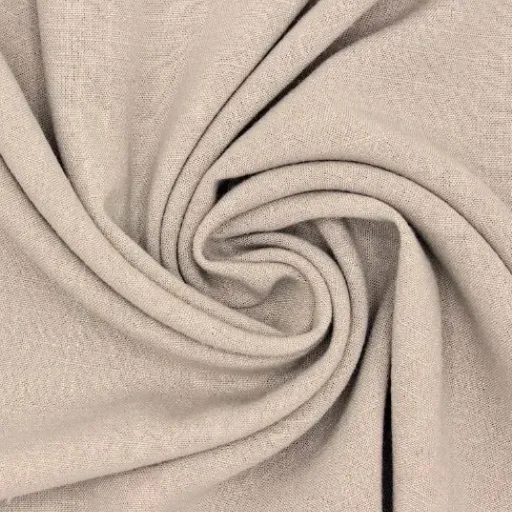
Viscose fabric is known for its extraordinary softness and thus, it is the favorite material for garments and textiles, whose key feature is comfort. Its smooth surface is very similar to that of real silk, providing a lovely feeling on the skin. Therefore, viscose is absolutely perfect for clothing as the above-mentioned types; even so, it can be directly under the skin, and one won’t feel anything but comfort.
One of the major benefits of viscose is its ability to let the skin breathe, thus making the whole experience more pleasant, particularly during the summer months. The fabric is very generous with air circulation through it, and therefore, keeps overheating and moisture build-up at bay. What is more, the fabric’s water-vapor absorption capabilities contribute to perspiration being controlled so that the person stays dry and comfortable all through the day.
In addition to that, the flexibility of viscose to easily take on other fibers supports its comfort level and at the same time, durability is not compromised. If it is blended with fibers such as cotton or elastane, it is highly possible to produce fabrics that are soft yet more stretchable and durable. This quality makes viscose suitable for use in both fashion and home upholstery, so it will always be in style and it will be able to satisfy the needs of very diverse customers and purposes.
Breathability and Drape
Viscose is recognized mainly by its wonderful breathability and therefore it is one of the most favored fabrics for clothes worldwide. The air can easily pass through the configuration of the viscose fibers, and as a result, the person wearing it will have a cooler body temperature in summer. The above-mentioned features make it very suitable to use the fabric in every and anywhere from trendy and practical wear to summer dresses, blouses, and sportswear; the list goes on.
The good thing about viscose is that it also boasts good draping properties. The fabric simply flows and thus creates a very elegant and flattering silhouette for the wearer. The fashion industry loves this attribute as it not only instills a sense of movement but also contributes to the overall visual impact of the design. The soft and flowing character of viscose is very body type-friendly, hence its widespread use in the fashion world.
Also, the combination of breathability and drape makes viscose the right fabric for home decor items like curtains and upholstery. Aesthetic quality of allowing light into the rooms while still keeping the sophisticated look is another advantage of the fabric. To wrap it up, viscose is a matter that beautifully intertwines comfort, style, and utility.
Versatility in Fashion and Home Textiles
Viscose, by virtue of its adaptability and utility in both fashion and home textiles, is indeed a highly versatile fabric. Its softness and luxurious feel, as well as its good draping, make it a perfect choice for producing trendy and easy-to-wear clothing pieces like dresses, blouses, and suits. The lightness of the fabric also allows it to be used in layering and to be included in seasonal wardrobes, giving not only breathability in summer but also versatility throughout the year.
Viscose, when used in home textiles, is able to bring a touch of class to the living areas. The ability of the fabric to imitate the silk’s feel and shine for less makes it the first choice of fabric for making curtains, covering cushions, and even for upholstery. Viscose is very flexible and allows the light to penetrate the room softly while keeping it private and enhancing the decorative look of the room.
Summing up, the multi-functional characteristics of viscose make it an excellent fabric for a wide range of uses. The case of viscose is such that it can attract both the fashion and the interior designers. Viscose has not only the qualities of being elegant and modern every time and everywhere but also of being comfortable and invisible to the eye. These characteristics have made it a lasting material in the textile industry.
Affordability of Viscose Fabric
Cost-Effectiveness Compared to Other Materials
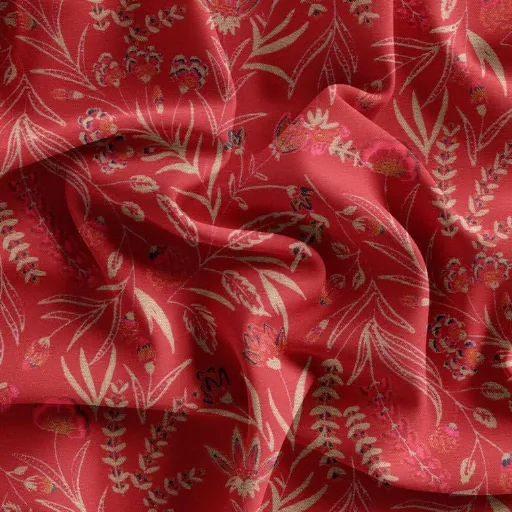
Viscose fabric is known for its very low price, which is the main reason for its popularity among both manufacturers and consumers. The natural fibers like silk and cotton, when compared to viscose, which is a synthetic product, and a campaign with abundant raw materials like wood pulp, turn out to be the least cost-effective ones. All these factors make the production of viscose cheaper, thus giving the manufacturers the edge in competing sales-wise.
Moreover, viscose stands for the perfect harmony of quality and price. It gives the impression of a natural fabric like silk, but the entire audience gets the luxury of its lower price. No doubt, the versatility that comes with cost-efficiency is there as well since viscose can still be used for making different types of clothes, upholstery, and ornaments. Its charming and cozy traits at an affordable point of sale make it one of the main reasons it still dominates many sectors.
In addition to that, viscose comes with a modern and breathable alternative when looked at alongside fully synthetic fabrics like polyester. Times when it was slightly more expensive than fully synthetic options are gone, and those days had also ended long before the feel and aesthetics of viscose became its price justification. For consumers who are searching for a budget fabric that would not let them down regarding quality or style, viscose is a perfect pick, and it is the one that connects affordability with functionality.
Value in Industrial Applications
Viscose has a wide range of industrial applications, and this is due to the fact that it has very versatile properties, and its value is significant. Softness, breathability, and the ability to imitate the texture of natural fibres such as cotton or silk are some of the reasons why it is very popular in the textile industry. Viscose is used in clothing, upholstery and home textiles with a range from inexpensive to magnificent. Its lightness allows for the production of products that are long-lasting and at the same time comfortable, which is another reason why it is so widely used.
Viscose also finds application in other industrial sectors besides that of textiles. For instance, its absorbent nature and disposability play an important role in its utilization in medical supplies such as surgical gowns or wipes. Moreover, viscose is used in the manufacturing of nonwoven fabrics where its blending with other fibers adds to the product’s functionality. These are a few examples of the wide adaptability of this material in environments demanding both practical and economical solutions.
Viscose’s manufacturing process and performance characteristics help the industries in striking a balance between consumer demand and sustainability. Viscose from wood pulp, unlike synthetic materials, does not compromise the quality of the product and is a renewable resource. This synergy of versatility and environmental consideration is the reason for its importance in several applications and making it a very good material for industrial use.
Purchasing Viscose: What to Look For
With viscose being purchased, one should consider the quality of the raw material and the production process. Good-quality viscose is generally manufactured from sustainable wood pulp, treated carefully to retain its property of performance properties. To know that it meets your sustainability criteria, try to check for some certification of environmentally responsible sourcing, such as FSC or any other recognized standard.
Usage of the fabric is another consideration that has to be met. Viscose comes in different types, such as ordinary, high-tenacity, or modal, and they are all distinguished according to the applications for which they are intended. For instance, ordinary viscose could be best for lighter garments, whereas modal or high-tenacity viscose stands better in heavy-duty applications. Intended use will thus focus the selection.
Lastly, consider the texture, finish, and shrinkage resistance of the material. Viscose ought to feel smooth and appear uniform, suggesting consistent production quality. Look for finishes that impart wrinkle resistance or control shrinkage to bolster the material’s performance in the long run. Attention to these factors ensures that you buy a viscose that meets your functional as well as ethical needs.
Sustainability of Viscose Fabric
Environmental Impact of Conventional Viscose
The manufacture of conventional viscose fabric poses a serious environmental threat due to the procedure involved in production. Deforestation is one of the major concerns, as trees are clear-cut to provide wood pulp—the raw material for viscose —in large areas. This kind of forest destruction entails a loss of habitat, less biodiversity, and the release of carbon emissions. Furthermore, with the vast demand for wood pulp, endangered ecosystems get further exploited.
Environmental hazards come from the chemical process of viscose. Production utilizes very hazardous chemicals such as carbon disulfide, sodium hydroxide, and sulfuric acid. If these chemicals are not handled properly or disposed of correctly, they may result in pollution of water bodies, soil, and air. This adversely affects the environment, while the unregulated exposure of workers to these chemicals within the viscose industry and nearby communities poses significant health risks.
Moreover, the environment is greatly further impacted by the high demand for water and energy posed by conventional viscose manufacture. The entire fiber production process consumes large volumes of water, as does the treatment of waste byproducts discharged. To ensure the emission of greenhouse gases is further aggravated, the manufacturing is indeed extremely energy-intensive. These factors coupled together magnify the urgency of searching for a much more sustainable alternative or, at the very least, making considerable improvements in their industrial practices that would, thus, lessen the environmental burden posed by conventional viscose.
Benefits of Sustainable Viscose and Biodegradability
Compared to the manufacturing methods of conventional viscose, it does have some positive environmental impact. Often considered raw materials come from responsible sources such as wood harvested from well-managed forests where sustainable forestry practices are implemented. This decreases the rate of deforestation and hence conserves biodiversity. Eventually, once treatment processes using new technologies are implemented, their waste products will be less harmful, managing the use of water and chemicals as well.”In this manner, one could say that sustainable viscose presents itself as an environmentally friendly alternative in this regard.
Biodegradability is another interesting advantage that sustainable viscose possesses. Synthetic fibers may take decades or even hundreds of years to decompose; being almost entirely natural cellulose, viscose could disintegrate faster given the right atmospheric circumstances. This has led everyone to speak highly of it, since there are fewer chances of it contributing to oceanic microplastic pollution or landfill issues. Hence, legal disposal of sustainable viscose will give a supplementary boost to its biodegradability potential.
It goes without saying that in making sustainable viscose, it would align with the trend that places focus upon ethics and environmental care in textile production. Eco-friendly operations in the viscose industry are good for the environment while also appealing to consumers who prefer sustainable procurement. Purchasing sustainable viscose would thus mean manufacturers and consumers actively decrease environmental impact while commercially enjoying the comfort and versatility of a substance commonly known to many.
Comparison of Semi-Synthetic and Natural Materials
Semi-synthetic materials such as viscose have natural sources, namely wood pulp, with chemical operations being undertaken to get the final product out of it. They balance between natural fibers and synthetic ones, giving them properties such as versatility, softness, and cheapness. Natural materials like cotton, wool, silk, and so forth, are harvested and used with little processing to retain their inherent properties-giving them breathability and comfort.
Just one of the major differences between the two types of materials is their impact on the environment. Natural materials are biodegradable and therefore more eco-friendly, but their production requires large amounts of water, land, and resources. Semi-synthetics, depending on the sustainable practices implemented during manufacturing, could be more resource-efficient, but if such measures are not being taken, the production of these substances poses a threat of pollution and deforestation.
While selecting the semi-synthetic against the natural materials, sustenance, cost, performance, and intent of the material should be considered, to name a few. For instance, semi-synthetics may be appropriate for applications that require more permanence and texture variations, whereas natural fibers are still the way to go for garments that stress comfort and low environmental impact. Ultimately, it’s a matter of a person’s choice with an added consideration of the environment.
Disadvantages of Viscose Fabric
Durability Concerns
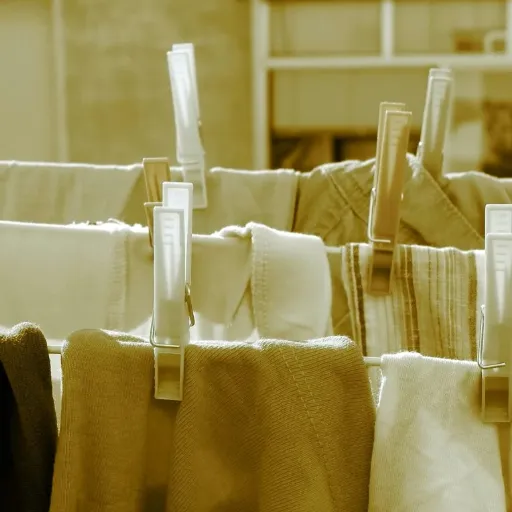
Varicose materials are considered delicate in structure and are typically not regarded as durable. It is notorious for losing strength when wet, so it is not a good candidate for normal washing and maintenance treatments. The fabric must be handled gently, by hand or at most with a gentle wash, and never stretched or stressed.
Pilling and wrinkling are also some unwanted phenomena that viscose may encounter while existing, hence it is more like rough surfaces and constant abrasive action. Precisely for this reason, applications requiring anything near high durability and long life would be prohibited.
In order to care better for viscose garments, users can engage in certain activities: Handwash, air dry, store in proper conditions, etc. These practices can also help in making sure the fabric stays intact. Owing to its delicacy, viscose is considered a tricky fabric. However, with careful handling, one is rewarded with fabric softer than any other, thus immensely comfortable to wear for the wearer.
Environmental Concerns with Production
There are certain environmental issues related to the viscose production process. First and foremost, the processes involved in converting wood pulp into viscose fibers are chemical-heavy. Carbon disulfide, for instance, is a dangerous chemical if mishandled and can pose risks not just to the environment but to workers’ health. Should the chemicals be disposed of improperly, this would inevitably contaminate water bodies and soils while the ecosystems and those residing in the affected areas suffer.
Also, the potential deforestation resulting from wood pulp extraction for cellulosic fiber production cannot be ruled out. Unsustainable withdrawals of wood lead to the destruction of natural forests, loss of biodiversity, and increased carbon emissions. While some manufacturers say their materials are sustainably sourced, supply chain transparency and accountability continue to be glaring issues.
Mitigation of the above environmental impacts may be achieved by setting up closed-loop production systems, in which attempts are made to recycle chemical wastes so as to minimize their discharge. Furthermore, approvals such as by the FSC (Forest Stewardship Council) certify that wood for production is sourced responsibly. With a focus on sustainability and increased scrutiny on manufacturers, these issues concerning the environment can indeed be remedied, thereby providing scope for more eco-friendly viscose production.
Maintenance and Care Tips
If you ever wondered how to maintain the quality and appearance of the viscose fabric, here are some tips that are just the right ones to maintain its quality and appearance.
- Washing Viscose Fabric:
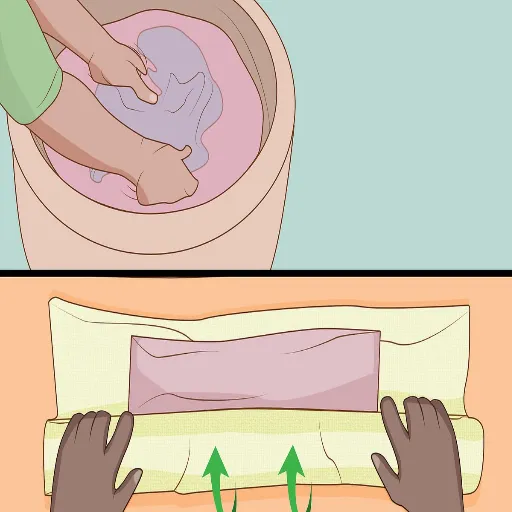
Viscose is a very delicate fibre that should be hand-washed in cold or lukewarm water with a mild detergent. In addition, a gentle cycle in a mesh laundry bag can reduce the wear to a minimum. In a more recent study, it is reported that washing viscose at a temperature lower than 86°F (30°C) prevents shrinking and keeps it soft.
- Drying Advice:
Do not wring the fabric, as this can harm the fibers. Lay it flat on a towel to dry, keeping it out of direct sunlight or heat sources, as these can damage the fabric’s quality.
- Ironing Tips:
Viscose is easily wrinkled, but a cool iron or steaming from the bottom can help get rid of them. New statistics reveal that ironing viscose at a temperature between 248°F and 302°F (120°C to 150°C) is the best to avoid burning.
- Avoid Excess Moisture:
Viscose becomes fragile when it is wet, thus, if you do not want your damp clothes to stretch or tear, handle them with care. Present-day understanding suggests that using a fabric steamer is a safer alternative.
- Storage Recommendations:
Store your viscose clothes neatly on a shelf instead of hanging them, as this will prevent them from getting stretched over time. Keep the places where you store your clothes dry so that there will be no mold or mildew to spoil the clothes.
By adapting these practices, you can use viscose fabrics not only as an elegant but also as a utilitarian solution and a cost-effective and eco-friendly option.
Frequently Asked Questions (FAQ)
Q: Is it correct to say that rayon and viscose are the same?
A: Yes, viscose is the name that is attributed to rayon. The two terms may well be used interchangeably, as both refer to one and the same semi-synthetic fabric made from regenerated cellulose. The process converts natural materials into a fabric that wears the cap of natural fiber as well as man-made fiber.
Q: What is viscose made from?
A: Viscose is a natural cellulose fiber, usually derived from wood pulp. The processing involves dissolving the cellulose to make fibers that are spun into yarn. This is considered a sustainable method, as it uses renewable resources in the production of viscose.
Q: Where does viscose fall in relation to cotton and silk?
A: Viscose fabric shares a lot in common with cotton and silk: soft, breathable, and dirt cheap compared to silk. It does afford this soft-drape feel of silk, and so is often used as an alternative to silk. It may, however, not be as tough as cotton or wool under certain conditions.
Q: Is viscose biodegradable?
A: Yes, viscose is biodegradable, being manufactured from natural cellulose fibers. Here lies one of the viscose fabric advantages: it helps sustain the environment more as compared to many other synthetic fibers that can cause considerable environmental damage.
Q: Can viscose be subject to shrinkage?
A: Yes, viscose fabric can shrink in the wash more than anything else. To preserve the fabric, following instructions is always advised, i.e., using cold water in washing and refraining from using high heat in the drying process.
Q: What are the properties of viscose?
A: The properties of viscose include softness, drape, and texture. Since it absorbs moisture easily, it is a breathable type of fabric that a person can comfortably wear in several climates. Also, blending viscose with other fibers may improve these properties, giving a large variety in fabric weights and textures.
Q: What are the drawbacks of viscose?
A: There are some disadvantages to viscose despite its many merits. Although it can resist abrasion to some degree, it is also less durable than cotton and wool when it comes to character. Ultimately, it loses strength when hit with water. The chemical procedure, if not carried out with strict safety measures, could indeed be a real problem from an eco standpoint-the matter will bother an environmentally conscious consumer.
Q: What fabrics are made with viscose mixed fibers?
A: Viscose blends can be used to produce a good variety of different fabric types, ones combining the intended advantages of viscose with the typical other fibers: polyester, cotton, or wool. Precious blend offerings increase the stretch and durability, performance-wise, of viscose fabric, hence stretching it into all sorts of clothing applications.
References
- 7 Things You Need to Know About Viscose Fibers – Highlights sustainability, comfort, and the optical shine of viscose.
- Viscose Fabric: Properties, Benefits, and Care Guide – Discusses the softness, breathability, and lightweight feel of viscose.
- A Quick Guide to Viscose Fabric – Explores the luxurious softness and smooth texture of viscose, comparable to silk.
- Viscose Fabric: The Versatile Choice for Flowy Fashion – Focuses on the soft, breathable, and comfortable qualities of viscose.
- Viscose Fabric: Characteristics, Applications, and More – Explains how viscose drapes well, retains color, and is versatile for various garments.