

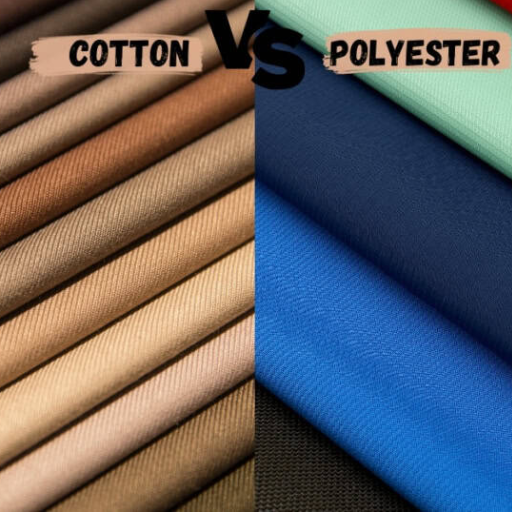
Choosing the right fabric for your clothes or other textiles can be an overwhelming task because of the multitude of options available. Among the most widely accepted and used fabrics, polyester and cotton stand out by their distinct characteristics, advantages, and disadvantages. But the question is, which one will meet your requirements the most? In this article, you will find out the main differences between polyester and cotton by comparing them in terms of comfort, durability, eco-friendliness, etc. Whether you buy clothing, household items, or crafting materials, knowing these fabrics will help you make better and more confident choices. So, follow along to learn everything about polyester and cotton!
Introduction to Cotton and Polyester
Understanding Fabric Types
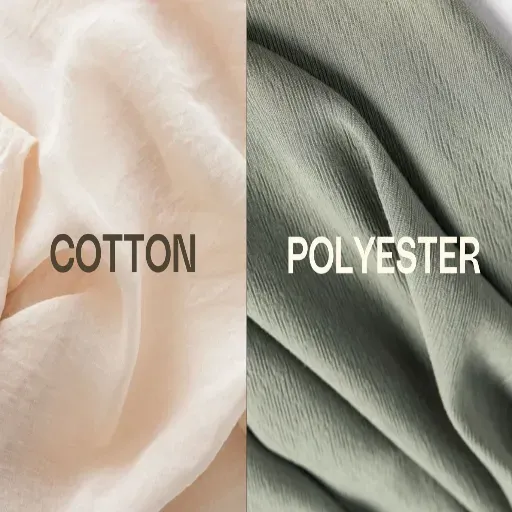
Cotton and polyester are the two most used fabrics globally, each with its specific nature that makes it suitable for various applications. Cotton, from which different varieties of cotton are produced, ranks first among the types of fibers, accounting for 24% of the total fiber consumption worldwide according to the latest available data. It is a natural and renewable resource mainly used for making garments, beddings, and other soft furnishing items.
Polyester on the other hand is a synthetic fiber that is made from petroleum derivates. The main pros of polyester are durability, wrinkle resistance, and a low price compared to the natural fibers. Polyester dominates in the global market being about 52% of the total fibers’ consumption. But this mostly results from its extensive use and affordability which has made it a very popular fabric for activewear, upholstery, and even industrial applications. Furthermore, the continuous development in textile technology has been a blessing, bringing in innovations like rPET, the polyester that is made out of plastic waste and thus sustainably contributing to the planet.
Cotton and Polyester Overview
Cotton and polyester fabrics are acknowledged as the most liked by the fashion industry, each having its own different characteristics, pluses, and minuses that help in the defining of their usages. The natural fiber cotton is the result of the cotton plant’s crop that has been cultivated and harvested for thousands of years. Its softness, air permeability, and hypoallergenic qualities usually make this material the top choice for the production of baby clothes and hospital beds where comfort is a priority. As officially reported by Statista, global cotton production for 2023 is expected to be around 25.73 million metric tons, with leading producers being China, India, and the United States.
On the flip side, polyester is a synthetic fiber, mainly derived from petroleum. Polyester was developed in the early 1900s and became widely utilized for being very economical, resistant to creasing, and able to take and hold color very well. Its application is spread out over activewear, outerwear, and even home textiles. The advent of recycled polyester (rPET) has allowed the manufacturers to divert millions of plastic bottles from landfills every year. Actually, Textile Exchange states that the recycled polyester production reached over 15.7 million metric tons in 2022, which is approximately 15% of the total global fiber output.
Quick Comparison: Cotton vs Polyester
| Feature | Cotton | Polyester |
|---|---|---|
| Origin | Natural fiber from cotton plant | Synthetic fiber from petroleum |
| Breathability | Excellent – absorbs up to 27x its weight | Lower, but moisture-wicking |
| Durability | Good strength, prone to wear over time | Highly durable, maintains shape after 100+ washes |
| Drying Time | Slower drying | 30% faster than cotton |
| Cost per Yard | Higher ($8-15+) | Lower ($5-8) |
| Water Usage | High (2,700 liters per t-shirt) | Lower water requirements |
| Biodegradability | Fully biodegradable | Non-biodegradable, sheds microplastics |
| Best For | Everyday wear, hot climates, sensitive skin | Activewear, outdoor gear, durability needs |
| Market Share | 24% of global fiber consumption | 52-54% of global fiber consumption |
Material Properties Comparison
Breathability of Cotton vs. Polyester
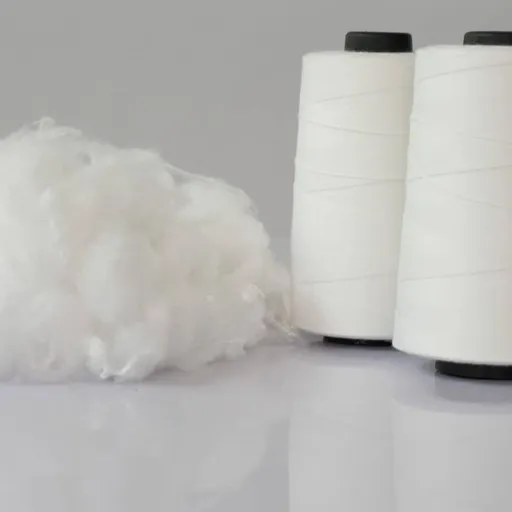
Cotton is the winner, leading the other materials in terms of breathability, thus being recommended for hot climates and activities demanding less moisture control. The air circulation created by the porous structure of cotton fibers is very useful in controlling body temperature, since the fiber itself is somewhat of a heat and moisture facilitator. A research study that Cotton Incorporated looked at revealed that cotton fabric is able to absorb moisture up to 27 times its own weight; thus, a cooling effect is created because the sweat is drawn away from the skin. However, this absorbency also means that the cotton fabric is a moisture carrier with a very slow drying rate.
The breathability of polyester is an inferior trait than that of cotton, but it is this very property of the polyester that makes it moisture-wicking and therefore it is the one that correctly supports the use of this fabric in activewear and outdoors under very harsh conditions. Most of the modern polyester fabrics have applied advanced technology to pull moisture away from the skin and spread it over the fabric in such a way that fast evaporation is the result. The drying time of polyester garments is estimated by Textile Today to be almost 30% less compared to that of similar cotton garments, and this is one of the main reasons why polyester is preferred in sports and harsh outdoor environments.
Durability: Cotton or Polyester?
Polyester, with its chemical composition, has the upper hand compared to cotton when it comes to durability. In fact, polyester fibers possess no tendency to stretch or shrink under stress and, at the same time, they suffer very little abrasion thus they can be utilized for many years even in the hardest environments. New research reveals that cotton, besides being weakened, cannot be used in the long run as a spinning fiber with frequent washes, and polyester keeps both its strength and form even after 100 washes.
One more reason for the durability of polyester is its ability to withstand environmental influences, for instance, mildew and sunlight exposure which are the reasons for even outdoor-protection. Consequently, polyester becomes the material for making outdoor garments, and such items as tents and backpacks are of good quality and durability. On the contrary, cotton which is strong by nature still cannot match polyester in friction resistance and thus is liable to wear out or tear sooner than cotton.
Cost Analysis: Polyester Fabric vs Cotton
The pricing of polyester fabric along with that of cotton is a comparison that brings into the picture the raw material costs, the methods of production, and the durability factor. Whereas polyester is a man-made fabric, its production method based on petroleum makes it less expensive and thus, more profitably manufactured in large volumes. In the general view, the prices of polyester fabrics start from $5 to $8 per yard depending on the quality and the area of production. In contrast, cotton is a plant-based fiber, and, its production involves more human labor and processing methods.
One should take into account the larger impacts of these costs as well. The low price of polyester is a contributing factor to its dependence on oil, which is a finite resource. Cotton prices, however, may be heavily subjected to agricultural conditions, such as water availability, pest invasions, and fluctuations in market demand. Compostable nature and being organic can draw eco-friendly customers to cotton fabric despite its initial higher cost, while still such as polyester has a longer life span due to the practice of wearing and tearing resistance and thus, the initial investment could be compensated through the prolonged usage period.
Environmental Impact Considerations
Sustainability of Cotton and Polyester
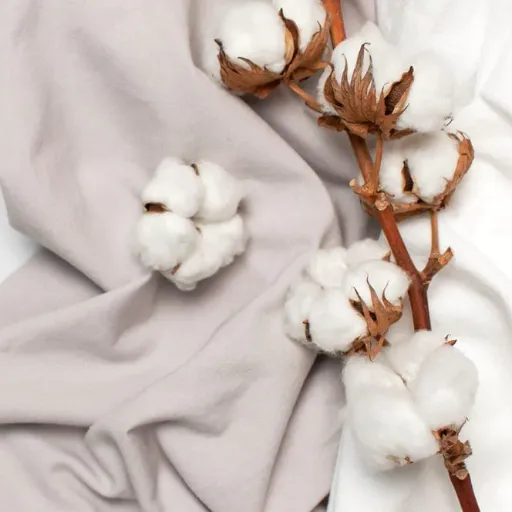
The evaluation of the sustainability of cotton and polyester has to take into account the environmental and social aspects and thus, life cycle analysis is the right way to go about it. Cotton has been considered a natural fiber for its biodegradability, although its cultivation has been damaging to the environment to a large extent. According to the WWF, the total water needed for 1 T-shirt made from conventional cotton is 2,700 liters. Moreover, the organic cotton farming endangers the health of the soil, water systems, and biodiversity as it uses a lot of pesticides and fertilizers.
On the other hand, the environmental impact of polyester’s production, a synthetic fiber made from petrochemicals, is quite opposite. Polyester’s resistance to wear and tear and its water requirement, which is less than that of cotton, are among its main benefits; yet, its weaknesses are that it still relies on fossil fuels and also disperses microplastics during washing. A study published by the International Union for Conservation of Nature (IUCN) in 2017 reports that synthetic textiles such as polyester contribute approximately 35% of the total primary microplastics in the sea.
Organic Cotton vs Polyester Fabric
When deliberating the choice between organic cotton and polyester, it would be wise to identify how they differently affect the environment, longevity, and overall eco-friendliness. Organic cotton is farmed without the use of synthetic pesticides or fertilizers thus making it less harmful to the environment. The water used in organic cotton cultivation is only 9% of that used in conventional cotton while energy consumption is 38% less, according to a study. Furthermore, cotton is a biodegradable material and thus does not cause serious landfill problems.
In contrast, polyester, a synthetic fabric made from oil, is incredibly durable and resistant to wear and tear. Its production is very energy-intensive and it also heavily relies on non-renewable sources. Besides, microplastics are shed into the water from polyester clothes every time they are washed, thus adding to ocean pollution. However, recycling polyester has become a common practice, as the energy used during the recycling process is about 41% less and the CO2 emissions in the case of recycled polyester are much lower than for virgin polyester.
Common Uses of Each Fabric
Everyday Applications of Cotton
Apparel and Fashion
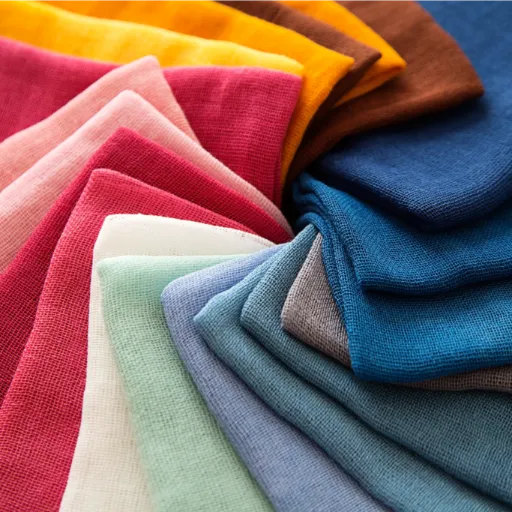
Ever since the very first times, cotton has been the fabric that the fashion world gives and has been giving constant attention until today. In this case, t-shirts, basic dresses, and jeans along with cotton underwear are the eventually many cotton garment varieties. Additionally, Statista tells us that the number of 111.7 million bales of cotton consumed around the globe in the year 2022/2023 is one more indicator that the demand for cotton in the clothing production is enormously high.
Home Textiles
Cotton is and has been the most preferred fabric in making home textiles but it is still not neglected anyway. The fabric is still very much alive and kicking in its use for bed linen, towels, curtains, and upholstery. Since cotton’s daily use in houses is quite enormous, so the mentioned products get the benefit of cotton’s durability as well as moisture-wicking property.
Industrial and Medical Uses
Cotton is a very valuable product which has a wide range of uses in the clothing and home sectors but at the same time it is also an industrial product. For example, cotton is used in workwear and tarps among other things, just to mention a few. Medicine is one area where cotton keeps on being the major player because of its hypoallergenic property that makes it the material of choice for supplies like bandages, swabs, and gauzes.
Polyester Fabric in Modern Fashion
The fashion world has given the spotlight to polyester fabric as it is considered the most versatile, durable, and economical fabric at the same time. It was not until the mid-20th century that polyester was initially introduced to the market and it soon gained acceptance among the consumers due to its wrinkle resistance and quick-drying qualities, which were the characteristics that made it suitable for both casual and even performance wear. At present, based on the recent reports of industry experts, polyester accounts for nearly 54% of the total fiber production worldwide.
Advanced technology has played a major role in the polyester market, one of the innovations is the growing use of regenerated polyester which is frequently produced from recycled PET bottles. Textile Exchange in its recent report states that the amount of 14.7 million metric tons of recycled polyester was produced during the year 2022, which was approximately 15% of the total polyester market. Therefore, the trend is that the fashion industry is becoming more and more committed to environmental sustainability and at the same time, reducing its carbon footprint through this process. However, it is still a concern that polyester is one of the microplastic pollution contributors which, in turn, makes the heavy dependency on non-renewable resources one of the reasons for its zenith reliance on non-renewable resources.
Pros and Cons of Cotton vs Polyester
Advantages of Cotton Fabric
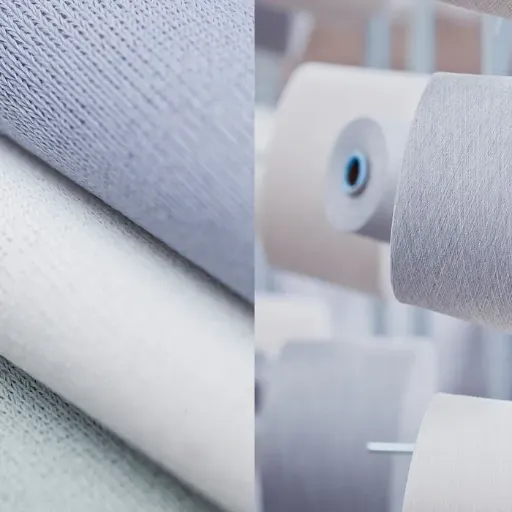
Cotton, the natural and biodegradable fiber, is the eco-friendliest option of the synthetic ones due to the fact that it is obtained from the seed pods of the cotton plant. One of the major advantages of cotton is the fact that it is of great breathability; it also has great moisture absorption and accordingly there is body temperature regulation that keeps the user cool in summer and warm in winter. In fact, this feature is one of the factors contributing to the user comfort of cotton and as such it is recommended strongly for everyday wear.
According to the recent data, the moisture absorbency rate of cotton fabric is 8-25% in which case polyester is considered to have a rate of only 0.4%. The material used for towels, bedding, and activewear is cotton at the top spot because of its excellent moisture absorption property. Moreover, non-allergenic cotton is very gentle to sensitive skin and it is one of the top picks for placing baby garments and medical linens.
When cotton’s life span is brought up, the next thing that comes to mind is the durability which is one of the main consumers’ concerns. On the one hand, every cotton fiber has very good strength and it can go through washing very frequently and be softer than the synthetics and yet not break up that fast. A last worldwide survey of consumer preferences, which was done on a large scale, reveals that over 60% of the respondents who put comfort and natural feel first have chosen cotton thus supporting its large-scale acceptability.
Polyester Fabric Pros
Polyester is a synthetic fiber that has a great combination of durability and adaptability as well as economic benefits that are the main reason for its being so widely used in different industries around the world. One such property that is the benefit to the industry is that the fiber is not prone to shrinkage, stretching, or creasing problems and therefore the noise caused by clothing and home-textiles will always be cut down. It is possible to produce very lightweight polyester fabrics and they are able to retain their shape perfectly even after going through washing many times.
Another very huge advantage of polyester is its moisture wicking properties. In the last few years, the technological advancements have made the polyester fabrics so breathable that they can convert the sweat from the body into water vapor thereby keeping the user dry and comfortable. Hence, the fabric becomes suitable for activewear and sports gear. Therefore, based on these points and recognizing them, the Global Synthetic Fibers Market report stated that polyester accounted for almost 55% of the total fabric consumption, according to the latest statistics, thus indicating its worldwide popularity.
Disadvantages of Each Material
Polyester
As it were, polyester was a mixed bag; it had great durability and moisture-wicking properties, yet on the less favorable side there were numerous factors against it. The environmental impact was one of the major issues and the main reason for people’s discontent. Polyester is a man-made fiber that is composed of non-renewable resources, primarily derived from oil. The manufacturing process of polyester generates a significant amount of CO2 that is released into the air, and because of non-biodegradability, it indeed constitutes a large part of plastic waste that exists on a global level. Besides, the synthetic structure of polyester poses a challenge that the vaporization of smells gets hindered, thus, making it less fit for wearing in certain places.
Cotton
Cotton with its breathability and comfort properties is the most demanded fabric being a natural material; nevertheless, it, too, has some cons. The great amount of water that is necessary for cotton farming is one of the primary drawbacks. According to the World Wildlife Fund (WWF), the production of one cotton tee shirt needs about 2,700 liters of water. Moreover, in many of the cotton producing areas heavy use of insecticides is practiced which is in fact hazardous not only to the environment but also to the local communities. The environmental costs coupled with the fact that cotton clothes shrink and become unwearable sooner than synthetics do, bring about the negatives of this widely used fabric.
Reference Sources
-
“Comparison of comfort properties of jersey and interlock knits in polyester, cotton/spandex, and polyester/rayon/spandex”
- Key Findings: This paper compares the comfort properties of different fabric blends, including polyester, cotton/spandex, and polyester/rayon/spandex. It highlights how fiber composition affects properties like breathability, stretch, and moisture management.
- Methodology: The study used physical and mechanical testing to evaluate the comfort properties of various knit fabrics.
- Read more
-
“An overview of cotton and polyester, and their blended waste textile valorisation to value-added products: A circular economy approach”
- Key Findings: This review discusses the recycling and valorization of cotton, polyester, and their blends into value-added products. It emphasizes the environmental and economic benefits of adopting a circular economy approach.
- Methodology: The paper reviews existing research on textile waste management and valorization techniques.
- Read more
-
“The chitosan implementation into cotton and polyester/cotton blend fabrics”
- Key Findings: This study explores the application of chitosan to cotton and polyester/cotton blend fabrics, focusing on its effects on fabric properties. It found that chitosan improves the antimicrobial and hydrophilic properties of the fabrics.
- Methodology: The research involved chemical treatments of fabrics and subsequent testing for structural and functional changes.
- Read more
Frequently Asked Questions (FAQs)
❓ Polyester vs cotton: which fabric is best for everyday t-shirts?
Among the t-shirts made of cotton, the one that is 100% cotton or made of the top not cotton (for example, sea island cotton) is very soft to the skin, absorbs the sweat and looks elegant; it is the top choice for people who are less tolerant while searching for skin-friendly fabrics. You can also try out the 50-50 percent polyester-cotton blends which are the best choice: a t-shirt made of polyester/cotton blend won’t shrink, will dry quickly, and will be very easy to iron. If your main concern is performance, the winner will be polyester; if you put comfort and breathability first, the choice is pure cotton.
❓ How does pure polyester compare to a polyester blend or pure cotton?
A polyester blend, a mix of polyester yarn with cotton and other fibers, often gives the two best sides: on one side reduced wrinkling and quicker drying; on the other, the softness and breathability of cotton. Blending together creating fabrics that balance comfort and care blend cotton options could be the less likely to shrink than pure cotton and less clingy than pure polyester.
❓ Is polyester plastic and what does “made from polyester” mean?
Yes for sure — polyester is of synthetic polymer origin and the most common one is polyethylene terephthalate (PET) which is a form of plastic. “Made from polyester” means the fibers of the garment are chemically derived from petroleum-based raw materials. Polyesters can often be recycled; hence, the clothes made from recycled PET will impact the environment less than those made from virgin polyester.
Final Thoughts
Both cotton and polyester have their unique strengths and limitations. Your choice should depend on your specific needs, preferences, and values. Whether you prioritize comfort, durability, cost, or environmental impact, understanding these fabrics will help you make informed decisions for your clothing and textile needs.